


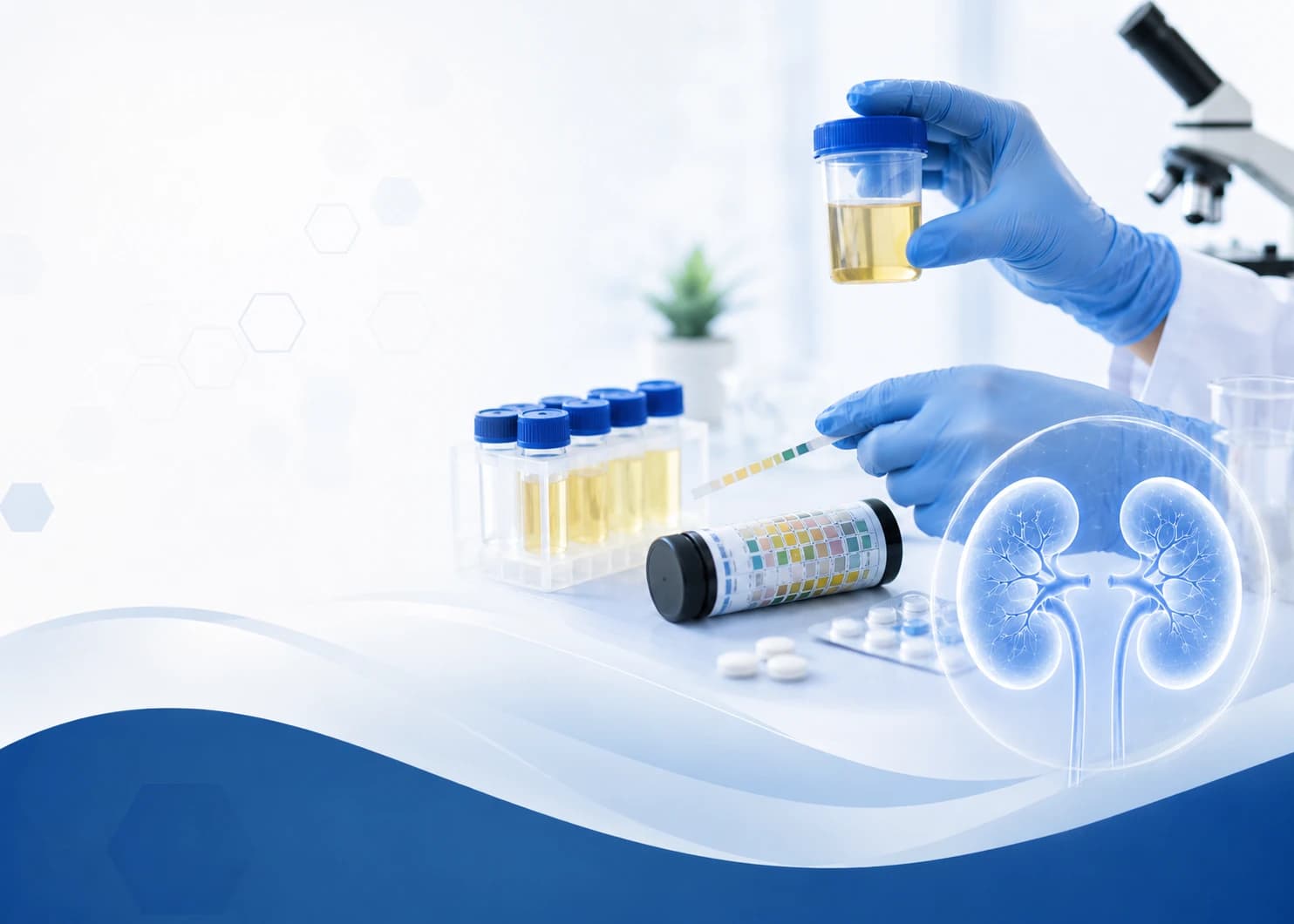
Expert treatment for protein in urine
Proteinuria means excess protein in urine. It is not a disease by itself, but an important sign that the kidney filters may be under stress or damaged.
Foamy urine or a positive urine-protein report deserves evaluation, especially with diabetes, high blood pressure, swelling, blood in urine or high creatinine.
Last updated: September 7, 2026
16+ years of nephrology and renal transplant experience
Consultations in East Delhi and Indirapuram
Structured, report-based kidney care
Common signs and causes of proteinuria
Protein leakage may be temporary or may point to an underlying kidney condition.
- Foamy urine
- Urine albumin or protein
- Swelling of feet or face
- Diabetes or hypertension
- Blood in urine
- Glomerular or autoimmune disease
These signs do not always mean a serious kidney condition, but they should not be ignored when they persist, worsen, or appear with diabetes, hypertension, infection, heart disease or a known kidney history. A nephrologist helps connect symptoms, reports and risk factors so patients can understand whether the issue is temporary, progressive, procedure-related or part of chronic kidney disease.
How evaluation and diagnosis work
The amount and pattern of protein leakage are assessed alongside kidney function and the patient's overall risk profile.
- Urine routine examination
- Urine albumin-creatinine or protein-creatinine ratio
- Creatinine and eGFR
- Blood pressure and diabetes review
- Immune tests when indicated
- Kidney biopsy assessment in selected cases
Patients with diabetes, uncontrolled blood pressure, recurrent urinary problems, swelling, high creatinine or proteinuria may need more structured follow-up because early correction can slow complications and reduce emergency admissions.
Useful report checklist
Recent creatinine, urea and eGFR reports
Urine routine and urine protein reports
Blood pressure and diabetes records
Ultrasound, CT or previous discharge summaries where available
Current medicine list and allergy history
Treatment approach
Treatment targets the underlying cause and may include blood pressure control, diabetes management, kidney-protective medication when suitable, salt guidance, swelling care and monitoring of urine protein and kidney function.
The care approach focuses on protecting remaining kidney function, controlling complications, improving symptoms and guiding patients through decisions in simple language. Whenever a procedure such as kidney biopsy, dialysis catheter placement, permacatheter placement, AV fistula planning, CAPD catheter placement, hemodialysis, peritoneal dialysis, hemodiafiltration or plasmapheresis is relevant, the decision should be made after clinical assessment and counselling.
Related kidney care services
Where to consult Dr. Anindya Biswas
Dr. Anindya Biswas consults at Shanti Mukand Hospital in East Delhi, Yashoda Hospital, Vasundhara in Ghaziabad, and Avantika Hospital, Indirapuram in Ghaziabad.
Find a nephrologist in Delhi, a kidney specialist in Ghaziabad, or a nephrologist in Indirapuram. Please call +91 8800224333 to confirm the current OPD schedule before visiting.
Before booking an appointment
Need expert help for proteinuria? Book an appointment with Dr. Anindya Biswas for nephrology consultation in East Delhi, Karkardooma or Indirapuram.
Patients should bring recent blood reports, urine reports, ultrasound or CT scan reports, discharge summaries, dialysis records, transplant records and current medication lists. For long-term kidney conditions, a timeline of creatinine values, urine protein reports and blood pressure readings is especially helpful.
For urgent symptoms such as severe breathlessness, very low urine output, confusion, chest discomfort, severe weakness or sudden swelling, patients should seek emergency care through the nearest hospital facility rather than waiting for a routine appointment.